 Founders Dumpster Rental
Dumpster Sizes Philadelphia
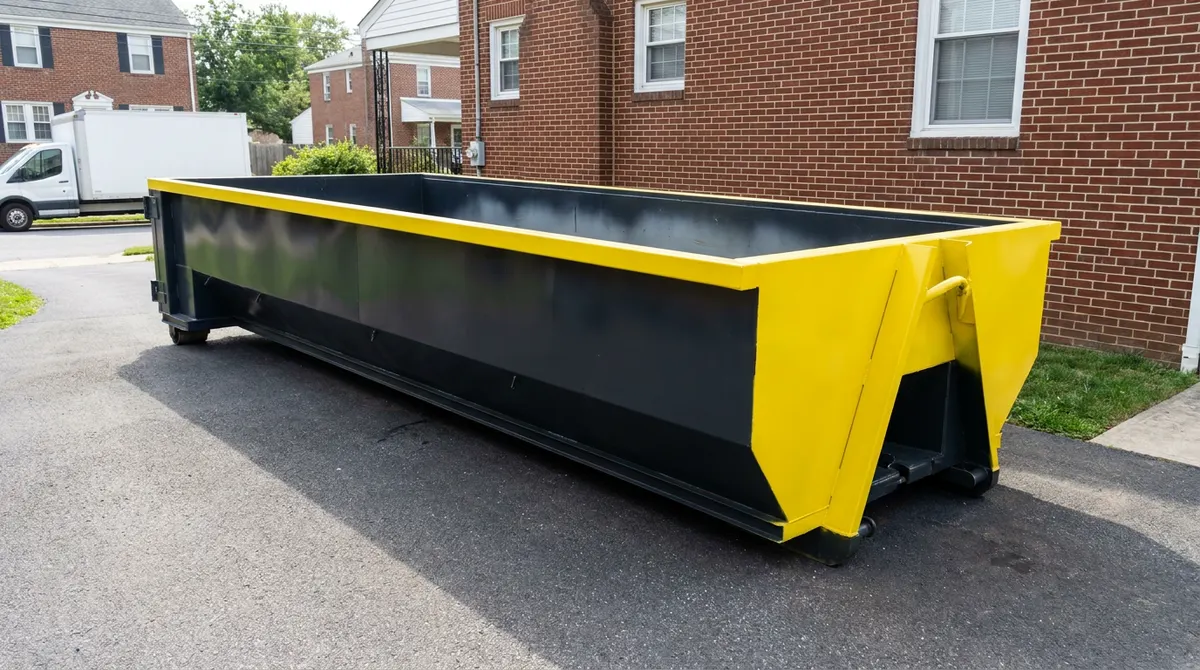
Dumpster sizes in Philadelphia range from 10-yard to 40-yard containers, each designed for specific project scales from small residential cleanouts in Bella Vista to large construction debris removal in The Navy Yard, with considerations for local conditions like narrow rowhome streets and permit requirements.
What are the common dumpster sizes available for rent in Philadelphia?
Common dumpster sizes available for rent in Philadelphia include 10-yard, 15-yard, 20-yard, 30-yard, and 40-yard containers. These sizes refer to the volume of waste the dumpster can hold, measured in cubic yards. The specific dimensions and weight capacities vary by container, impacting their suitability for different types of projects and placement locations throughout neighborhoods like Manayunk or Kensington. Understanding these options helps residents and contractors select the most efficient container for their debris removal needs.
Container size also depends on what the project generates. Older adults downsizing a Philadelphia rowhome may fill a 10-yard unit, while clearing a home affected by hoarding disorder often requires a 20-yard or larger. Keep construction and demolition debris separate from household items, since some materials cannot go in a standard dumpster. For usable furniture, a charitable donation may qualify for a tax deduction. Check OSHA guidance before loading heavy debris.
Dimensions of Each Dumpster Size
Dumpster dimensions are crucial for planning placement, especially on Philadelphia's varied street layouts. The footprint of each container dictates whether it can fit in a driveway in Roxborough or requires an on-street permit on a busy block near Rittenhouse Square. Below are typical dimensions for common dumpster sizes:
10-Yard Dumpster: 12 ft. L x 8 ft. W x 3.5 ft. H
15-Yard Dumpster: 14 ft. L x 8 ft. W x 4.5 ft. H
20-Yard Dumpster: 22 ft. L x 8 ft. W x 4 ft. H
30-Yard Dumpster: 22 ft. L x 8 ft. W x 6 ft. H
40-Yard Dumpster: 22 ft. L x 8 ft. W x 8 ft. H
These measurements provide a general guide; exact dimensions can vary slightly by manufacturer. Customers should confirm specific dimensions when ordering, particularly for tight spaces or properties with limited access, such as those found around the historic district or older parts of Germantown. For projects requiring placement on public property, the Philadelphia Streets Department issues permits, which often consider the container's footprint. More information on permit requirements can be found on the City of Philadelphia Streets Department website.
How Much Each Size Holds
The capacity of a dumpster, measured in cubic yards, directly correlates to the volume of debris it can contain. This helps in estimating how many pickup truck loads or cubic feet of waste each container can accommodate. Selecting the correct size prevents overfilling and potential additional costs.
| Dumpster Size | Approximate Pickup Truck Loads | Approximate Cubic Feet |
|---|---|---|
| 10-Yard | 2-3 loads | 270 cubic feet |
| 15-Yard | 3-4 loads | 405 cubic feet |
| 20-Yard | 4-6 loads | 540 cubic feet |
| 30-Yard | 6-9 loads | 810 cubic feet |
| 40-Yard | 9-12 loads | 1080 cubic feet |
These estimates aid in visualizing the amount of waste a dumpster can hold, from a small garage cleanout in Point Breeze to a significant home renovation in Mount Airy. For example, a 10-yard dumpster handles debris equivalent to approximately 50-70 large trash bags. A 40-yard dumpster can hold the equivalent of over 200 large trash bags, suitable for major construction or demolition projects. Understanding these capacities helps avoid the need for multiple pickups or larger-than-needed containers.
Matching a Size to Your Project
Selecting the appropriate dumpster size is critical for efficient waste management and cost control. Project types vary significantly across Philadelphia, from small residential cleanouts to large commercial demolitions near I-95. Each dumpster size is best suited for particular scales of work.
| Dumpster Size | Suitable Projects | Notes for Philadelphia Projects |
|---|---|---|
| 10-Yard | Small garage/basement cleanouts, single-room remodels, yard debris removal | Ideal for tight driveways in Fishtown or South Philadelphia. Often fits in a single parking space. |
| 15-Yard | Medium basement/attic cleanouts, minor kitchen/bathroom remodels, deck removal (up to 300 sq ft) | Good for residential projects in areas like Northern Liberties. Balances capacity with a manageable footprint. |
| 20-Yard | Full kitchen/bathroom remodels, roof tear-offs (up to 30 squares), large landscaping projects, moderate construction debris | A versatile choice for many Philadelphia homes, including older Victorian stock in Germantown. |
| 30-Yard | Major home additions, new home construction, commercial cleanouts, large demolition projects | Suitable for larger properties or commercial sites, such as those found along Roosevelt Boulevard or near The Navy Yard. |
| 40-Yard | Large-scale construction and demolition, commercial building cleanouts, extensive property renovations | Typically used on large job sites or industrial areas; less common for typical residential use on narrow city streets. |
For residents undertaking renovations of older rowhome and Victorian housing stock in Germantown and Mount Airy, which often generate heavy plaster, brick, and demolition debris, a 20-yard or 30-yard dumpster may be necessary due to the material's density. Similarly, basement waterproofing projects driven by Philadelphia's freeze-thaw winters and clay-heavy soil can produce significant debris volume, making a 20-yard or 30-yard container a practical choice. For more specific guidance on selecting a dumpster for your project, visit our Philadelphia Dumpster Rental page.
Weight Limits by Size
Each dumpster size comes with a specific weight limit, measured in tons, to prevent overloading and ensure safe transport. Exceeding these limits can result in additional fees. Heavy materials like concrete, brick, dirt, and asphalt significantly contribute to the total weight, making weight limits a critical consideration for projects involving such debris. The U.S. Environmental Protection Agency (EPA) provides guidelines on proper waste disposal, emphasizing the importance of managing waste within specified parameters.
| Dumpster Size | Typical Weight Limit (Tons) | Equivalent (Pounds) |
|---|---|---|
| 10-Yard | 1-2 tons | 2,000-4,000 lbs |
| 15-Yard | 1.5-2.5 tons | 3,000-5,000 lbs |
| 20-Yard | 2-3 tons | 4,000-6,000 lbs |
| 30-Yard | 3-5 tons | 6,000-10,000 lbs |
| 40-Yard | 5-7 tons | 10,000-14,000 lbs |
When disposing of heavy materials, it is often recommended to use a smaller dumpster with a higher weight allowance, or to plan for multiple hauls. For example, a 10-yard or 15-yard dumpster may be specifically rated for concrete and brick, allowing for heavier loads within a smaller volume. Project managers in areas like Fishtown or Point Breeze, dealing with extensive demolition debris from older structures, must carefully estimate the weight of plaster, lath, and brick to avoid exceeding the specified limits. Overweight containers pose safety risks and can damage roads, a concern for the Philadelphia Streets Department.
Which Sizes Fit a Rowhome Block
Navigating Philadelphia's urban landscape presents unique challenges for dumpster placement, particularly on narrow rowhome streets in neighborhoods like South Philadelphia, Fishtown, and Bella Vista. These areas often limit standard roll-off containers due to tight driveway access or the complete absence of driveways. On-street placement is frequently the only option, necessitating a permit from the Philadelphia Streets Department. This permit affects setup timing on dense residential blocks and considers the dumpster's footprint.
For these challenging locations, 10-yard and 15-yard dumpsters are generally the most suitable options. Their smaller dimensions allow them to fit more easily into limited spaces, such as a single parking spot on a busy street or a compact driveway. A typical 10-yard dumpster measures around 12 feet long by 8 feet wide, making it comparable to the size of a standard sedan. The 15-yard dumpster, slightly longer at about 14 feet, also maintains a manageable footprint for urban settings.
Larger dumpsters, such as 20-yard, 30-yard, or 40-yard containers, are considerably longer and taller, often measuring 22 feet in length. These sizes are generally not practical for placement directly on narrow residential streets due to potential obstruction of traffic flow, parking limitations, and difficulties with delivery and pickup maneuvers. Streets with cobblestone and Belgian block surfaces in Old City and parts of the historic district further restrict truck access, making smaller, more agile containers essential for debris removal in those specific zones. For projects requiring a larger capacity, alternative solutions like multiple smaller dumpsters or a scheduled junk removal service may be more appropriate in dense urban settings. Always verify access and permit requirements with a local provider when planning a dumpster rental in Philadelphia's unique neighborhoods.
Need it handled now? See Dumpster Rental in Philadelphia.