 Founders Dumpster Rental
Dumpster Permit Philadelphia
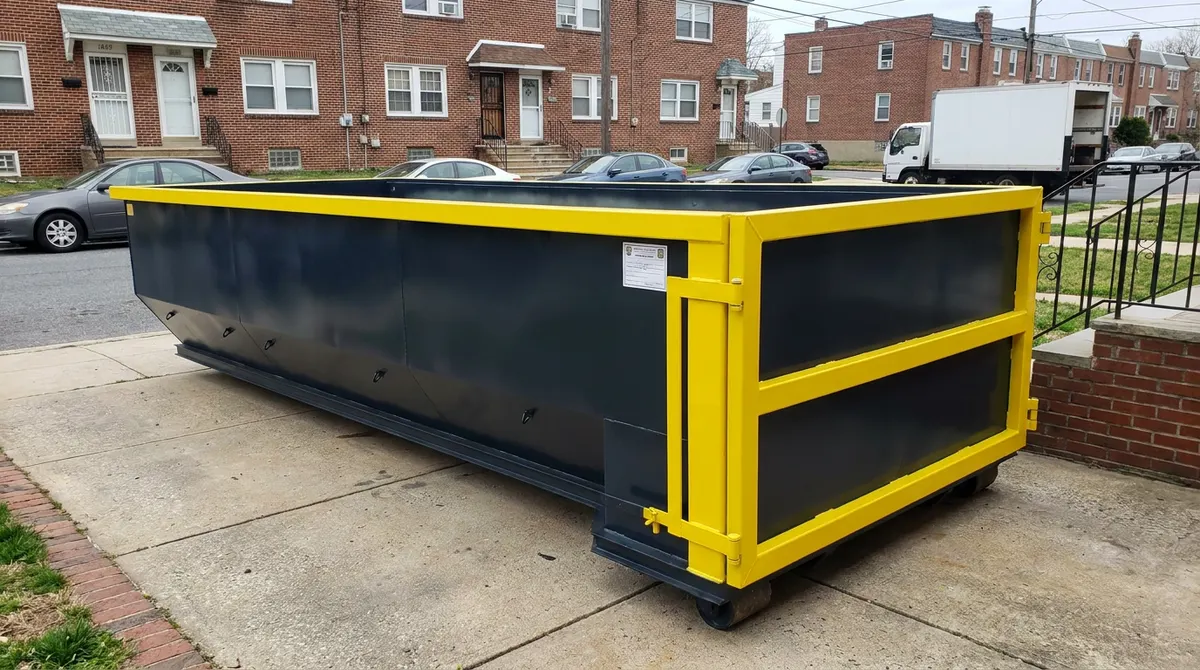
Securing a dumpster permit in Philadelphia is a necessary step for placing a roll-off container on public streets, impacting project planning for residents and contractors across neighborhoods like Fishtown, South Philadelphia, and Germantown, where tight urban spaces and city regulations dictate placement logistics.
What is a Dumpster Permit in Philadelphia?
A dumpster permit in Philadelphia is an official authorization from the Philadelphia Streets Department required when a dumpster needs to be placed on any public right-of-way, such as a street or sidewalk. This permit ensures public safety, manages traffic flow, and prevents unauthorized obstructions in densely populated areas like Northern Liberties or Point Breeze. Without a valid permit, a dumpster placed on the street can result in fines or forced removal by city officials. This regulation is particularly relevant for projects in areas with narrow rowhouse streets, common in neighborhoods such as Bella Vista and Kensington, where driveway space is often limited or nonexistent. The permitting process helps the city manage the temporary use of public space for waste disposal during renovation, cleanout, or construction projects.
A dumpster permit often accompanies larger cleanouts, and planning matters when a property faces foreclosure or when older adults are downsizing a long-held home. If a cleanout stems from hoarding, salvageable items may qualify as a charitable donation before the rest is hauled away. Separate any household hazardous waste from general construction and demolition debris, and verify a hauler through the Better Business Bureau before scheduling street placement under city rules.
When a Street Permit Is Required for Dumpsters
A street permit is required for dumpster placement in Philadelphia whenever the container occupies any portion of a public street, sidewalk, or alley. This includes situations where a driveway is too small for a dumpster, or when a property lacks a driveway entirely, which is common for many rowhomes in neighborhoods like Fishtown and South Philadelphia. The permit ensures the temporary obstruction does not impede vehicle traffic or pedestrian access without proper authorization and safety measures. For example, a home renovation project near Rittenhouse Square or along Cottman Avenue that requires placing a 20-yard dumpster on the street for debris from an older Victorian home remodel will necessitate a permit from the Philadelphia Streets Department. Projects generating significant demolition debris from properties in areas like Mount Airy or Roxborough, often requiring larger containers, frequently rely on street placement due to the volume and weight of materials like plaster and brick. Even if only part of the dumpster extends into the public right-of-way, a permit is typically required. The city mandates these permits to maintain safety and order on its public infrastructure. For specific guidance on what constitutes a public right-of-way, property owners can consult the Philadelphia Streets Department website, which outlines regulations for temporary obstructions.
How to Apply With the Streets Department
Applying for a dumpster permit with the Philadelphia Streets Department involves several steps to ensure compliance and proper placement:
- Gather Project Information: Before applying, collect details such as the exact address of the project, the desired start and end dates for the dumpster rental, the size of the dumpster (e.g., 10-yard, 20-yard, 30-yard), and the name of the dumpster rental company. Knowing the specific dimensions of the container helps the city assess its impact on the street.
- Access the Online Permit Portal: The Philadelphia Streets Department processes right-of-way permits through its official online portal. Applicants can create an account or log in to begin the application process. This digital system streamlines submissions and allows for tracking the permit status.
- Complete the Application Form: Fill out the permit application form with all required information, including the specific location for the dumpster (e.g., street name, side of the street, nearest cross street). For properties in dense areas like Kensington or Manayunk, precise placement details are crucial due to high traffic and limited space. Ensure all contact information is accurate for communication regarding the application.
- Submit Supporting Documents: Depending on the project's scope and location, the Streets Department may require additional documents, such as a site plan indicating the dumpster's placement or proof of insurance from the dumpster rental company. While not always mandatory, having these ready can prevent delays.
- Pay the Permit Fee: The application process concludes with the payment of the associated permit fee. Fees vary based on the duration and type of permit requested. Payment is typically made online through the portal. Once payment is confirmed, the application enters the review phase.
- Await Approval: After submission, the Streets Department reviews the application. Approval times can vary, so it is advisable to apply well in advance of the planned dumpster delivery date. Once approved, the permit can usually be printed directly from the online portal.
For detailed instructions and to access the application portal, residents can visit the official Philadelphia Streets Department website directly.
Permit Costs and Timing for Dumpster Placement
The costs and timing associated with obtaining a dumpster permit in Philadelphia are important considerations for project planning. These factors can influence the overall budget and schedule for debris removal.
| Permit Aspect | Details |
|---|---|
| Minimum Permit Fee | Approximately $25 to $50 for a standard short-term street obstruction permit, though this can vary based on duration and specific city regulations. This fee is separate from the dumpster rental cost (minimum charge $595). |
| Duration Options | Permits are typically issued for specific durations, often ranging from a few days to several weeks. Longer projects, such as extensive renovations in Germantown, may require extended permits or renewals, incurring additional fees. |
| Processing Time | The Philadelphia Streets Department generally processes permit applications within 3 to 5 business days. However, during peak construction seasons or for complex placements, processing can take up to 10 business days. Applying at least two weeks in advance is recommended. |
| Renewal Process | If a project extends beyond the initial permit duration, a renewal application must be submitted. Renewal fees are similar to initial application fees. |
| Penalties for Non-Compliance | Placing a dumpster on a public street without a valid permit can result in fines starting from $100 up to several hundred dollars, along with potential charges for the city's removal of the container. |
Understanding these financial and temporal aspects helps in budgeting and scheduling dumpster rental services effectively for projects throughout Philadelphia, from the bustling areas near Reading Terminal Market to residential streets in The Navy Yard.
Driveway vs Street Placement Considerations
Deciding between driveway and street placement for a dumpster in Philadelphia involves weighing several practical factors, particularly given the city's unique urban landscape. Driveway placement is generally preferred as it avoids the need for a permit from the Philadelphia Streets Department, simplifying logistics and eliminating permit fees. This option is ideal for properties with sufficient off-street space, common in parts of Northeast Philadelphia or larger suburban-style homes near Fairmount Park. However, many homes in central Philadelphia neighborhoods like Old City, Bella Vista, and Fishtown have narrow or non-existent driveways, making street placement the only viable option for a roll-off container. For example, a 20-yard dumpster, measuring approximately 22 feet long and 8 feet wide, requires significant clear space. Placing a dumpster on a street necessitates obtaining a right-of-way permit, which involves an application process and associated costs. Street placement also requires considerations for traffic flow, parking availability, and potential impacts on neighbors. In areas with tight rowhouse streets, such as those found in South Philadelphia or Kensington, the physical dimensions of the dumpster and the delivery truck can be a significant challenge. Some cobblestone streets, particularly in historic districts, can restrict truck access, further complicating street placement. Homeowners must also consider local HOA rules, though these primarily govern private property and typically do not override city street permit requirements. The trade-off is often between the convenience and cost-savings of driveway placement versus the necessity of street placement, with its associated permitting process and potential logistical hurdles. For larger projects, such as a full gut-remodel in Germantown or Mount Airy that generates heavy debris, the size of the container often dictates street placement, regardless of driveway availability.
Who Handles the Dumpster Permit?
When renting a dumpster in Philadelphia, the responsibility for obtaining the necessary street permit typically falls on the customer, not the dumpster rental company. This is because the permit is tied to the specific address and duration of the project, which the customer directly controls.
However, reputable dumpster rental services, such as those operating in Philadelphia, can offer guidance and support during the permitting process. They can provide accurate dumpster dimensions, weight capacities, and insurance information often required for the permit application. Some companies may even assist by directing customers to the correct application forms or providing tips for a smooth process. It is the homeowner or contractor's duty to ensure all city regulations are met before the dumpster is delivered and placed on public property. Failure to secure the proper permit can lead to delays, fines, and the potential need for the dumpster to be moved or removed by city authorities. Therefore, customers undertaking projects in areas like Manayunk, Point Breeze, or near Independence Hall should plan to initiate the permit application with the Philadelphia Streets Department well in advance of their desired delivery date. For any questions about dumpster rental in Philadelphia or permit requirements, customers can call (267) 482-5065 for local assistance.
Quick questions
Who is responsible for getting the dumpster permit in Philadelphia?
The customer (homeowner or contractor) is typically responsible for obtaining the dumpster permit from the Philadelphia Streets Department. Dumpster rental companies can provide necessary information but generally do not handle the application process directly.
How long does it take to get a dumpster permit in Philadelphia?
Processing times for dumpster permits in Philadelphia usually range from 3 to 10 business days. It is advisable to apply at least two weeks before the planned dumpster delivery date to avoid delays.
Can I place a dumpster on my driveway without a permit in Philadelphia?
Yes, if the dumpster is placed entirely on private property, such as your driveway, a permit from the Philadelphia Streets Department is generally not required. Permits are only needed for placement on public rights-of-way like streets or sidewalks.
Need it handled now? See Dumpster Rental in Philadelphia.